I used to think style was just about clothes. Then at a friend’s wedding, the groom grinned at my plain navy suit and said, “Nice suit. Shame about the plastic watch.” That one comment changed how I dress. Two guys can wear the exact same suit, and one looks like a million bucks while the other looks like he’s waiting for an interview. The difference is almost always the accessories. So what are fashion accessories for men, exactly? They are the finishing pieces that complete an outfit: watches, belts, wallets, sunglasses, ties, pocket squares, cufflinks, hats, bags, jewelry, and scarves.
What Are Fashion Accessories for Men? The Basics Explained
So what are fashion accessories for men in plain language? They are every wearable item that is not your actual clothing. Some are functional, like a belt or sunglasses, and some are purely decorative, like a ring or a pocket square. Most do both at once.
Here is the part most guys miss. Clothes cover you. Accessories speak about you. People remember the watch, the matched belt and shoes, the clean pocket square fold. You do not need many. You need the right ones, worn well.
What Are Fashion Accessories for Men Worth Buying First? Start With These Six
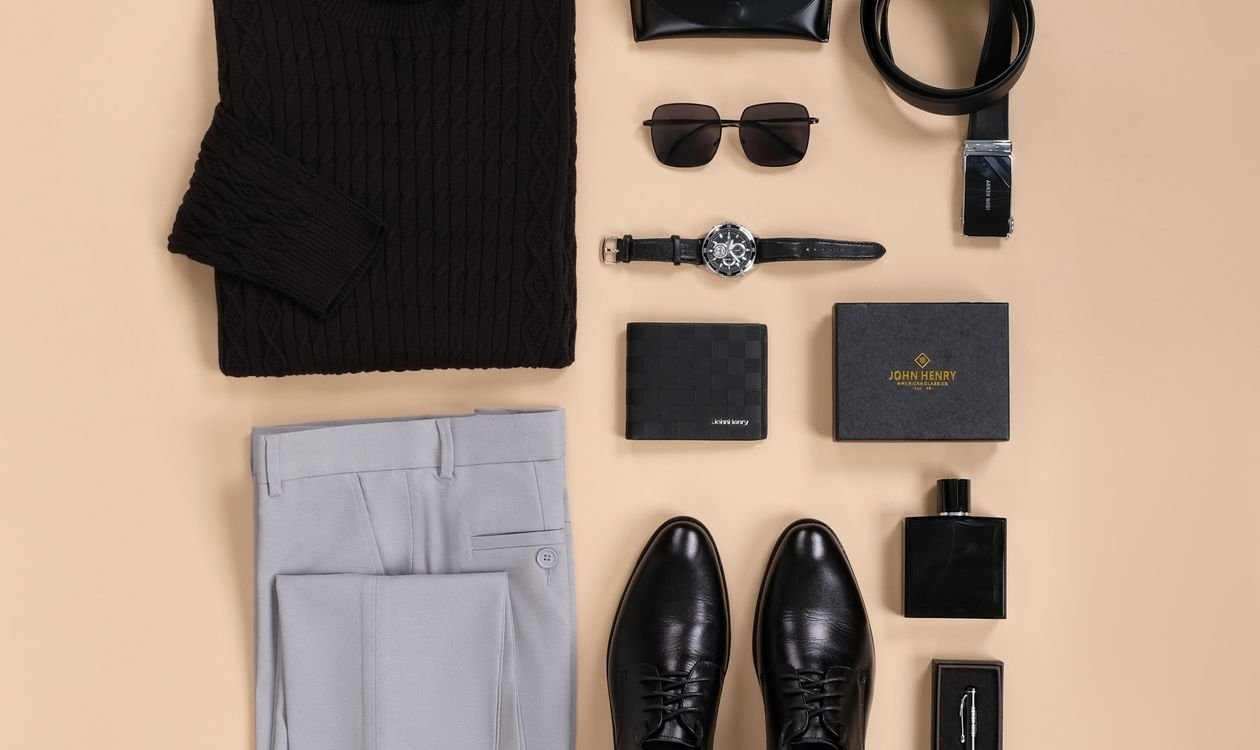
What are fashion accessories for men that give you the most value for your money? The foundation six, the pieces you will reach for almost every single day. Buy these six before you spend a cent on anything trendy, and every outfit you already own gets better.
- A watch. The single most important men’s accessory. A simple steel or leather-strap watch works with jeans, chinos, and suits.
- A belt. One black and one brown full-grain leather belt cover almost every outfit. Dress belts should be slim with a small, simple buckle.
- A slim wallet. A bulky wallet ruins the line of your trousers. A slim bifold or cardholder in black or brown leather is all you need.
- Sunglasses. Aviators, wayfarers, and round frames are the timeless trio. Pick the shape that suits your face and look for real UV protection.
- A tie and a pocket square. If you wear a suit even twice a year, you need these. Five minutes of effort makes a cheap suit look expensive.
- A good bag. A leather messenger or a clean crossbody bag finishes your daily carry.
This starter kit answers what are fashion accessories for men in practical terms: six pieces, worn on rotation, lift every outfit you own.
What Are Fashion Accessories for Men That Work Every Day? Casual Essentials
What are fashion accessories for men that fit a jeans-and-t-shirt life? You do not need cufflinks for a coffee run, but small touches still matter. Here is what actually works day to day without looking like you tried too hard.
- Your watch. It is the only accessory that belongs in every category on this list.
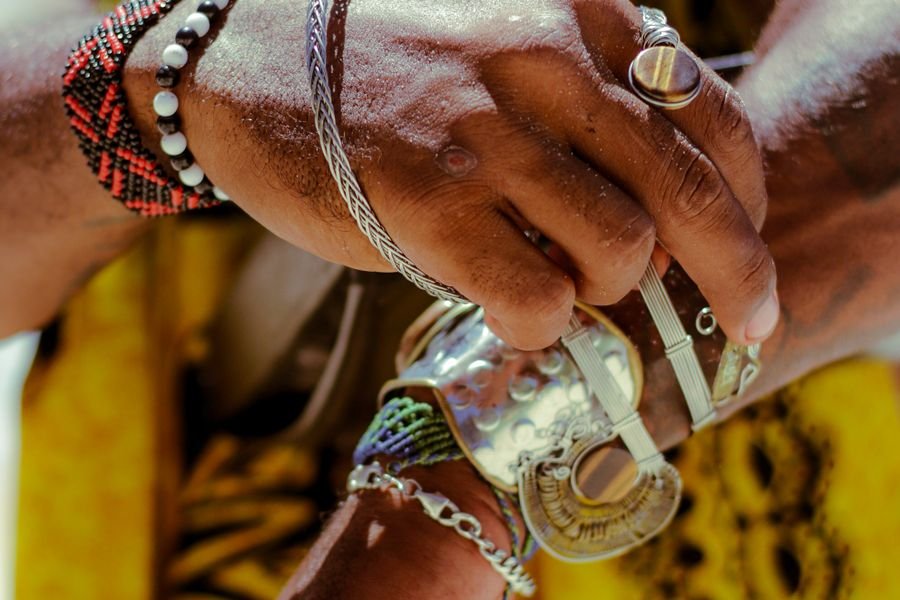
- A bracelet. One leather cuff or a simple beaded bracelet adds personality without shouting. Two slim bracelets on the opposite wrist from your watch works for most men.
- Sunglasses. On your face or hooked on your shirt collar, they are instant style points.
- A baseball cap or beanie. Keep the logo small or go plain.
- A casual belt. A braided or canvas belt with jeans, a leather one with chinos. This is where you can play with color and texture.
- A crossbody bag. Practical, modern, and all over the recent Fall and Winter 2026 collections.
Unpopular opinion: bracelets and rings are not “too much” for most guys, wearing zero accessories is what looks unfinished. A watch plus one bracelet reads as put together, not flashy.
What Are Fashion Accessories for Men in Formal Settings? The Dress Code Pieces
What are fashion accessories for men when the dress code says suit up? Formal settings have their own accessory language, and getting it right matters more here than anywhere else. These are the pieces that show you understand the occasion.
- Cufflinks. Only for French-cuff shirts. Silk knots suit daytime weddings, silver or enamel pairs suit the office, onyx or pearl adds evening luxury. Match the metal to your watch and tie bar.
- A tie bar or clip. It keeps your tie in place and adds a clean detail. It should sit between the third and fourth shirt buttons and never be wider than the tie.
- A pocket square. White silk or linen, folded simply, never matching your tie exactly. Complementary colors, not an identical pattern.
- A dress belt. Thin, dark leather, small buckle. Black with black shoes, brown with brown shoes.
- Suspenders. For tuxedos, skip the belt entirely. Traditional black tie trousers are made for braces, not belts.
How the same accessories shift between casual and formal:
| Accessory | Casual Day | Formal Event |
|---|---|---|
| Watch | Steel sports watch or smartwatch | Slim dress watch, leather strap |
| Belt | Braided or canvas, colored | Thin full-grain leather |
| Wrist | Leather bracelet or beaded stack | Keep it clean, just the watch |
| Nothing | White pocket square, simple fold | |
| Cuffs | Button cuffs | Cufflinks, metal matching the watch |
| Shoes pairing | Belt matches nothing in particular | Belt matches shoes |
The rule of thumb: the more formal the event, the fewer accessories and the quieter they should be. A tuxedo needs restraint, not decoration.
How to Wear Men’s Fashion Accessories: A Simple 7-Step Method
You know what are fashion accessories for men now, but how do you actually wear them without looking like you tried too hard? Follow these seven steps in order, from zero accessories to a complete and confident look.
- Start with one. If you wear zero accessories, add just a watch and wear it for two weeks. Let it feel normal before you add anything else.
- Match your leathers. Brown shoes, brown belt, brown watch strap. Black shoes, black belt. This one rule fixes half of all accessory mistakes.
- Match your metals. Silver watch, silver buckle, silver ring. Gold watch, gold cufflinks. Keep it to one metal family while you are learning.
- Follow the three-piece rule. Aim for three to four accessories at most. Watch, belt, and pocket square is a complete formal look.
- Dress to the occasion. A beaded bracelet stack belongs at brunch, not a board meeting. Cufflinks belong at the wedding, not the gym.
- Fit matters more than price. A well-fitted $30 watch looks better than a loose expensive one. Get links removed or straps sized properly.
- Buy quality slowly. One full-grain leather belt that ages beautifully beats five cheap ones that crack in a year.
What Are Fashion Accessories for Men? FAQs
What are fashion accessories for men in one simple definition?
What are fashion accessories for men in the simplest terms? They are wearable items that are not clothing: watches, belts, wallets, sunglasses, ties, pocket squares, cufflinks, hats, bags, jewelry, and scarves. They finish an outfit, add function, and show personal style.
How many accessories should a man wear at once?
Three to four at most is the classic guideline. A watch, a belt, and one more piece like a bracelet or pocket square is a complete, balanced look. In formal eveningwear, fewer and quieter pieces always win. Every piece should feel chosen.
What are the most essential fashion accessories for men to own first?
Start with six: a watch, a black belt, a brown belt, a slim wallet, sunglasses, and a tie with a pocket square for suit occasions. These six cover daily life, work, and formal events. Bracelets, rings, and scarves can come later once the foundation feels natural.
Should a man’s belt match his shoes?
Yes, match the color family and material. Black leather shoes go with a black leather belt, brown shoes with a brown belt. The tones do not need to match exactly, but they should clearly belong together. This is one of the oldest rules in menswear, and it still works.
Can men wear jewelry without looking overdressed?
Absolutely. One watch, one bracelet, and one ring is a combination millions of men wear daily without raising an eyebrow. Keep pieces slim and simple and stick to one metal family.
Conclusion
So what are fashion accessories for men? They are the small pieces that do the heavy lifting in your style: the watch people notice, the belt that ties shoes and trousers together, the pocket square that turns a plain suit into an outfit. Start with the foundation six, learn the two matching rules, and build slowly. Pick your first piece this week.