I learned the power of menswear accessories the embarrassing way. I was 24, standing at a wedding in a suit that actually fit, and my uncle walked over, looked me up and down, and said, “Nice suit. Where’s the rest of it?” He was pointing at my empty wrist, the missing belt, and the bare breast pocket of my blazer. The suit was fine. But I looked like a guy wearing a costume instead of a guy who knew how to dress.
That night I started paying attention to the well dressed men around me. It was never the suit itself. It was the small stuff. A watch under the cuff. A belt that matched the shoes. A pocket square with a little puff showing. That’s when it clicked. Clothes get you dressed. A menswear accessory makes you look like you meant it.
What Does a Menswear Accessory Actually Do for Your Outfit?
A menswear accessory fills the visual gaps your clothes leave behind. Your shirt, trousers and jacket build the base, but they are flat. Accessories add depth, texture, shine and color in small doses, and that contrast is what makes an outfit look finished instead of half done.
A plain white shirt and navy blazer is a nice outfit. Add a tan leather strap watch, a brown belt and a pocket square with a bit of pattern, and suddenly people notice you walked in. You didn’t add more clothes. You added personality. Plenty of guides on apparel and accessories for men make this sound complicated, but that’s really all there is to it.
Start With the Watch: The One Menswear Accessory That Carries the Whole Look
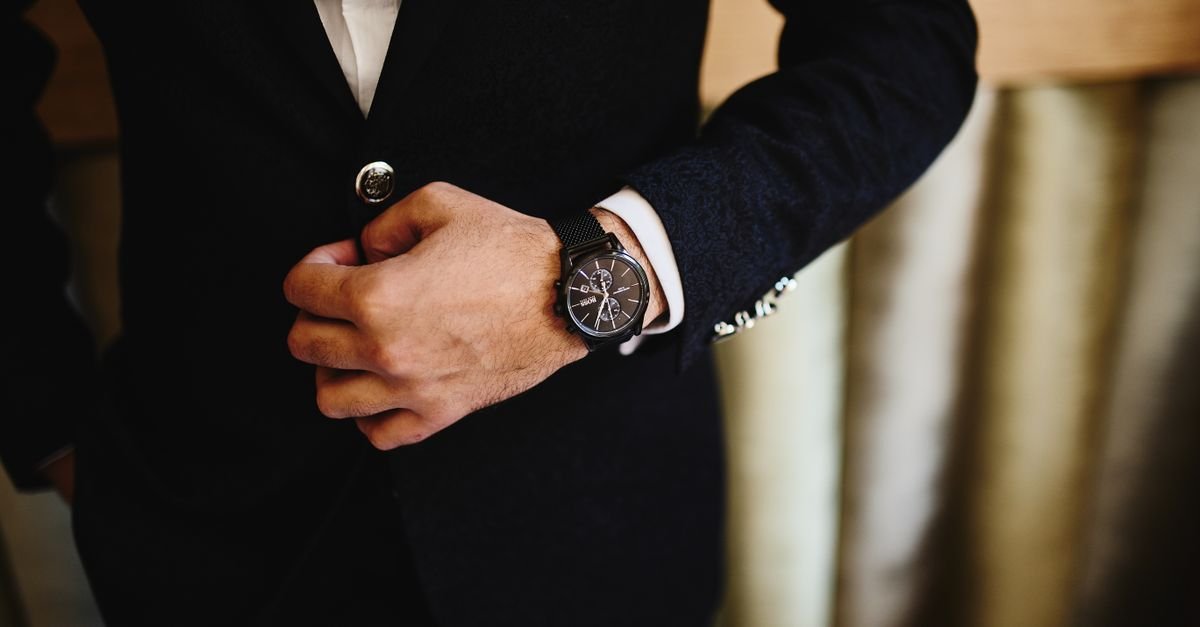
The watch is the single most important menswear accessory you can own. It sits on your wrist, which moves all day, so people see it constantly. Your wrist is bare skin and fabric with nothing else to look at, so a watch gets more attention than anything else you wear.
You don’t need to spend a fortune. You need to get the size and style of this menswear accessory right. Here’s what matters:
- Match the watch to the occasion. Leather, gold or silver bands are more formal. Plastic or rubber bands belong in casual or sporty settings. A chunky dive watch with a suit looks like you forgot to change.
- Keep the case modest for dress wear. For formal outfits, look for a case between 36mm and 39mm, and under 10mm thick. A slim profile slides under a shirt cuff. If it catches on the cuff, it’s too thick.
- Match your metals. If your watch has a silver case and bracelet, your belt buckle, cufflinks and any rings should be silver toned too. Shiny objects draw the eye, and mixed metals look accidental instead of intentional.
Unpopular opinion: most smartwatches ruin a good outfit. Yours tracks your sleep and your steps, I get it. But a glowing black screen strapped to a beautiful suit is like putting hubcaps on a horse. For weddings, interviews and date nights, swap it for an analog watch.
Belts and Shoes: The Old Rule That Still Works
A menswear accessory as simple as a belt can throw off your whole outfit if you pick wrong. The rule is simple: match your belt to your shoes. Black belt with black shoes, brown with brown, tan with tan. It creates one clean line of color from your waist to your feet.
Belt width matters too. This is where most guys mess up without knowing it. Here is a quick numbered guide:
- Dress belt: 1.25 to 1.38 inches wide. Thin, simple, slim flat buckle. Your suit and dress trouser belt, and black is the one you need first.
- Everyday belt: 1.38 to 1.5 inches wide. Works with chinos, blazers and smart casual outfits. Brown or dark tan is the most useful color.
- Casual belt: 1.5 inches wide. Thicker leather, bigger buckle, sometimes distressed. Made for jeans and weekend wear.
- The buckle check: formal means small and quiet; casual means you can go bolder.
Skip the fabric or braided belt with tailored trousers. Save those for shorts and casual chinos, where they look great.
Pocket Squares, Ties and the Little Details That Set You Apart
A pocket square is the fastest menswear accessory for looking like you know what you’re doing. It costs almost nothing, takes five seconds, and makes a blazer look twice as expensive. Keep it casual. A stiff, perfectly folded white triangle looks like a rental tuxedo. A soft puff with a hand rolled edge looks like you.
How to actually wear the small details without looking like a costume:
- Pocket square and tie: they should relate, not match. If your tie is navy with dots, your pocket square can pick up that navy. Never buy the matching set in the same fabric. Matching sets look like they came in one box, because they did.
- No tie needed. A pocket square works beautifully with an open collar. Just make sure the square isn’t louder than the shirt. Subtle beats flashy every time.
- Cufflinks: only wear them with French cuff shirts. They come in chain links, fabric knots and torpedo backs, so pick simple ones for business and save the novelty shapes for casual dinners.
- Lapels pins and brooches: these are trending hard right now, with big fashion houses pushing them for 2026. A small pin on the lapel adds personality to a dark suit. Just wear one, not three.
Casual Days: Which Menswear Accessory Works Without a Suit
Most guides only talk about suits, but a menswear accessory has just as much work to do on weekends. When your base outfit is a t-shirt, jeans and sneakers, one or two well chosen pieces keep you from looking like you gave up. Pick accessories that match the energy: relaxed, not boardroom.
| Accessory | Best for | The Rule to Remember |
|---|---|---|
| Sunglasses | Daily wear, driving, outdoors | Pick a shape for your face: classic aviators and wayfarers suit almost everyone |
| Casual watch | Everyday, smart casual | Fabric or leather strap, simple dial, 40mm case max |
| Leather bracelet | Evenings, weekends | One is enough, and skip it if you’re wearing a metal watch |
| Canvas or webbing belt | Jeans, chinos, shorts | Fun colors allowed, never with a suit |
| Baseball cap or beanie | Off duty days | Clean and plain, no loud logos |
| Sunglasses tint | Formal vs casual | Light tint for formal settings, darker or reflective for casual days out |
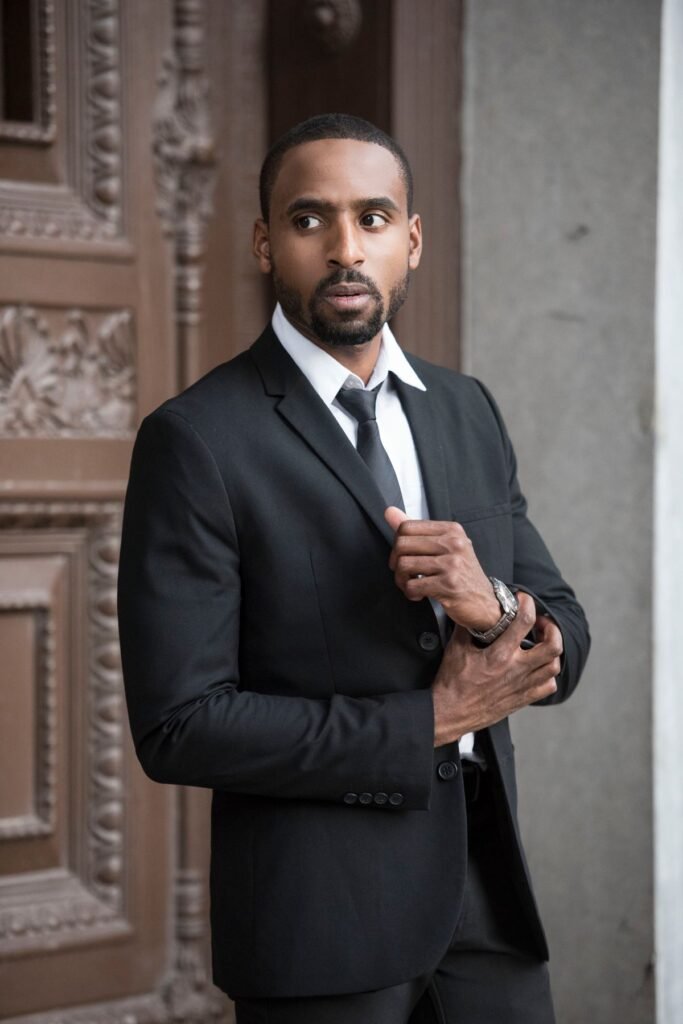
Notice sunglasses show up twice. That’s because they’re the one menswear accessory you can wear every day and never get bored of. Find the pair that fits your face and buy a decent one. best sunglasses for men
Common Mistakes That Undo a Good Outfit
A menswear accessory can just as easily wreck an outfit as finish it. Most mistakes come from the same place: wearing too much at once. A pocket square, a lapel pin, a chunky bracelet, a tie bar and a loud watch together isn’t style, it’s noise. Less is more. Pick two or three, and make each one count.
The other big mistake is mixing formality levels. A woven belt with dress trousers. A plastic sports watch with a navy suit. Every piece in your outfit should feel like it belongs to the same person on the same day. If one menswear accessory feels like it’s from a different wardrobe, take it off.
And please, stop stuffing your pockets. A thick wallet, a phone and keys in your trouser pockets ruins the drape of everything you’re wearing. Move to a slim card case on dress up days. Your trousers will hang the way the tailor intended.
Frequently Asked Questions
How many accessories should a man wear at once?
Stick to two or three visible menswear accessories at a time, which is the simple answer that works for almost everyone. A watch plus a belt plus a pocket square is a full set for formal wear. For casual days, a watch plus sunglasses is plenty. Every piece should add something, and nothing should fight for attention.
What is the most important menswear accessory for a beginner?
The answer is a watch, because it’s the one menswear accessory you’ll wear every day and get the most value from. Start with one versatile piece: a clean dial, 40mm or under, on a brown or black leather strap. It works with a suit, chinos or jeans, and it instantly makes you look more put together.
Should my belt always match my shoes?
Yes for formal and smart casual outfits, that’s the safe rule that never fails. Black belt with black shoes, brown belt with brown shoes, and keep the tones close. For truly casual outfits like jeans and sneakers, you have more freedom, but matching still looks cleaner than clashing. When in doubt, match.
Can I wear a pocket square without a tie?
Yes, absolutely, and it’s one of the easiest ways to dress up a blazer. Fold a soft puff, keep the fabric relaxed instead of crisp, and let a little show above the pocket. Linen and cotton squares work best here. Just don’t pair one with a very formal suit when the rest of the outfit is tieless.
Do sunglasses really count as an accessory?
They absolutely do, and for most men they’re the most used menswear accessory they own. Beyond the style, they protect your eyes from UV light, frame your face and add structure to casual outfits. Pick a classic shape like aviators or wayfarers that fits your face, and you’ll wear them for years.
The Bottom Line
Here’s what I wish my uncle had told me that night instead of roasting me. You don’t need a closet full of men’s clothing accessories. You need a watch that fits under your cuff, a belt that matches your shoes, a pocket square for blazer days, and sunglasses that fit your face. Four pieces, and every outfit looks finished.
Start this week. Pick the one menswear accessory you’re missing, buy a decent version, and wear it every day for a month. You’ll be surprised how fast it becomes part of who you are.
Want more? Read our leather belt buying guide, our dress watch guide for men, and our how to wear a pocket square. For more classic menswear inspiration, see GQ and Real Men Real Style, or browse Esquire for seasonal accessory trends.
About the Author
Biker Jacket Hub Editorial Team — We cover men’s fashion the way real guys actually dress: practical, honest and no fluff. From leather jackets to the small details that finish an outfit, every guide we publish is researched, tested and written to help you look your best without wasting money.