I still remember trying on men’s slim fit suits for my best friend’s wedding. The salesman handed me a navy two-piece and gave me that look, the one that says you have no idea what you are doing. He was right. The jacket pulled across my chest, the sleeves nearly swallowed my hands, and I spent the whole night tugging at the trousers. A few years later, I finally learned how men’s slim fit suits are actually supposed to fit. This guide is everything I wish someone had told me back then, minus the patronizing salesman.
Unpopular opinion: most men would look better in one well-fitted classic suit than in three cheap men’s slim fit suits. The fit label means nothing if the tailoring is bad.
What Are Men’s Slim Fit Suits, Really?
Men’s slim fit suits are cut closer to the body than classic or modern fits. The jacket has narrower shoulders, higher armholes, and a tapered waist that follows your shape, while the trousers narrow noticeably from knee to ankle. The result is a clean, modern silhouette that looks intentional and sharp rather than loose or boxy.
You will also see them called slim fitting suits or mens slim cut suits. What they are not is tight: a proper slim suit follows your shape without pulling across the chest, straining at the button, or feeling tight through the thighs.
The catch: the closer the cut, the more accurate your size has to be. Without proper tailoring, men’s slim fit suits can pull at the chest or restrict movement.
How Should Men’s Slim Fit Suits Fit?
A good fit feels close to the body without restricting movement. Shoulders sit cleanly at your natural shoulder line, lapels lie flat, and the jacket buttons without horizontal pull lines. Trousers taper while letting you sit and walk comfortably. If the fabric strains when you stand, sit, or move your arms, the suit is too small rather than properly slim.
Run this 7-step check on every suit you try on:
- Button test: Fasten the top button. The fronts should meet without an X-shaped pull. An X at the button means it is too tight.
- Shoulders: The seam should end where your shoulder ends, not past it.
- Back: No horizontal wrinkles across your upper back while standing naturally.
- Arm raise: Raise your arms forward. The jacket should not ride up significantly.
- Sit down: Try sliding your hands into your trouser pockets while seated. If you cannot, the trousers are too tight.
- Pinch: Pinch the fabric at your sides with the jacket buttoned. More than 2 inches of loose fabric means it is too full.
- Shoe break: Trousers should just brush your shoe tops, with no pooling.
Two numbers to remember when shopping for men’s slim fit suits: the jacket adds only 2 to 3 inches of ease beyond your chest (versus 4 to 5 in a regular fit), and slim trouser ankles run 2 to 3 inches narrower. That small margin is why sizing accuracy matters.
Slim Fit vs Modern Fit vs Classic Fit
Slim fit sits closest to the body with the most taper. Modern fit lands in the middle, with moderate taper and more room through the chest, waist, seat, and thighs. Classic fit is the roomiest and most traditional. Put simply, modern fit balances shape and comfort while slim fit prioritizes a sharp, tapered silhouette.
| Feature | Slim Fit | Modern Fit | Classic Fit |
|---|---|---|---|
| Chest room | 2-3 inches of ease beyond your chest | Moderate, between slim and classic | 4-5 inches of ease beyond your chest |
| Waist shaping | Defined taper, extra waist suppression | Gentle taper | Straight, minimal shaping |
| Armholes | Higher, closer to the body | Slightly lower than slim | Lowest and roomiest |
| Shoulders | Narrower, closer cut | Trim, natural | Fuller, natural |
| Trousers | Tapered knee to ankle, narrow opening | Tapered, wider at ankle | Straight, fuller leg |
| Best for | Sharp modern look, lean builds | Most body types, everyday wear | Broad men, comfort-first dressing |
One warning: fit labels are not universal. The room and taper in men’s slim fit suits vary between brands, so always compare the brand’s actual size chart and garment measurements before buying.
Fit Mistakes That Ruin a Good Suit
You can spend good money on men’s slim fit suits and still look sloppy. Here are the most common mistakes:
- Treating slim as tight: Pulling at the chest or straining at the button means too small, not “fashionably slim.”
- Bad shoulders: The shoulder seam must end at your shoulder bone. This is the hardest part to alter, so get it right first.
- Long sleeves: Your shirt cuff should show about a quarter to half inch past the jacket sleeve.
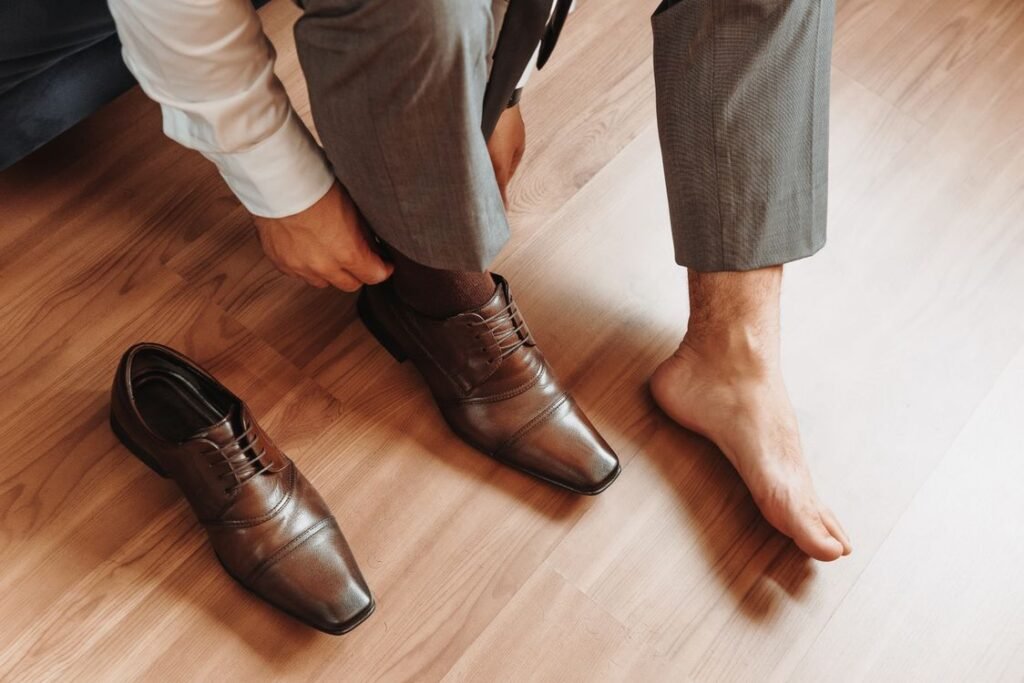
- Pooling trousers: Excess fabric bunching at your shoes kills the clean line slim trousers are meant to give you. Hem them to just kiss the shoe.
- Ignoring the tailor: Off-the-rack men’s slim fit suits are built for an average body that does not exist. A quick hemming and waist adjustment is the difference between a suit that fits and one that fits you.
- Tight thighs: Slim trousers still need room through the seat and thighs. If they cling, size up and have the waist taken in.
- Wrong jacket length: The jacket should cover your rear, with sleeves ending just before your wrist. Too long makes you look shorter.
How to Style Men’s Slim Fit Suits for Every Occasion
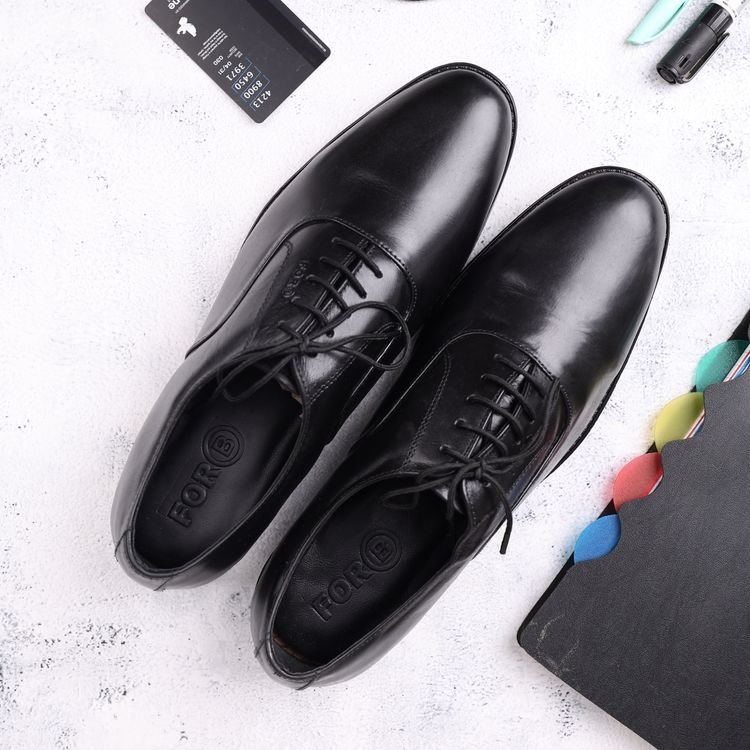
Match the outfit to the occasion. For work, wear navy, charcoal, or gray with a crisp white shirt, a classic tie, and dark Oxfords. For weddings, go slightly bolder and add a pocket square. For casual settings, swap the shirt for a fitted tee and wear loafers. Keep accessories simple and let the fit do the talking.
Outfit formulas that work every time:
- Office: Charcoal suit, white shirt, burgundy or navy tie, black Oxfords, matching belt.
- Wedding guest: Navy suit, light blue shirt, textured tie, brown derby shoes, patterned pocket square.
- Evening: Black or dark navy suit, black open-collar shirt, no tie, black loafers.
- Smart casual: Wear the jacket as a separate with dark jeans, a fitted tee, and suede loafers.
- Interview: Navy suit, white shirt, simple dark tie, black shoes, no pocket square. Let the fit do the talking.
That is the beauty of men’s slim fit suits: one suit, five very different outfits. Match slim ties to slim lapels for balance. Brown shoes pair best with navy and gray; black shoes suit black and charcoal for evening wear. For more ideas, see our wedding guest outfits for men guide and our best dress shirts for men guide, or browse GQ and Esquire.
Keeping Men’s Slim Fit Suits Sharp
Dry clean only when truly needed, not after every wear. Spot clean stains, air the suit between wears, and steam wrinkles instead of ironing. Hang it on a wide wooden or padded hanger in a breathable garment bag. Proper care keeps men’s slim fit suits sharp for years.
- Stop over-dry-cleaning: Frequent cleaning wears down the fabric of men’s slim fit suits. A few cleanings a year with regular airing is enough.
- Steam, do not crush: A handheld steamer relaxes wrinkles gently. If you iron, use the right fabric temperature and a pressing cloth.
- Use the right hanger: Wide wooden or padded hangers protect the shoulders. Wire hangers create dents.
- Brush after wearing: A clothes brush removes lint and dust before they settle in.
- Rest between wears: Give the suit a day off between wears so the fabric recovers.
Are men’s slim fit suits good for bigger guys?
They can be, but sizing discipline matters. Muscular builds should allow extra room through the shoulders and chest while keeping the slim waist taper. Broad-shouldered men often prefer a modern fit, which gives chest room while still tapering the waist.
What is the difference between slim fit and skinny fit suits?
Skinny fit is the tighter extreme: a very close chest, sharply tapered legs, and usually skinny lapels and ties to match. Slim fit sits close to the body but leaves enough room to move and sit comfortably. For anyone shopping for men’s slim fit suits, slim beats skinny for everything from weddings to work.
Should I size up or down when buying men’s slim fit suits online?
Measure your chest, waist, and inseam, then compare them to the brand’s actual size chart instead of guessing. Fit labels are not universal, and “slim” runs differently across brands. Between sizes, size up and have a tailor take it in.
Can I wear men’s slim fit suits without a tie?
Yes, and it is one of their best looks. Wear a fitted dress shirt with the top button open, or dress it down with a fitted tee and loafers. A pocket square adds polish without a tie’s formality.
How much does tailoring a slim fit suit cost?
Prices vary by city and tailor, so get quotes from two or three local shops before committing. Hemming trousers and shortening sleeves usually cost the least, while waist suppression and shoulder work cost more. Budget tailoring into the purchase, because even basic alterations can transform an off-the-rack suit.
Final Word
Men’s slim fit suits reward one thing above all else: getting the fit right. Remember the button test, the shoulder check, and the sit-down test, and you will avoid most bad suit purchases. Pick navy or charcoal for your first suit, style it to the occasion, and let a good tailor handle the rest. That is what men’s slim fit suits do best.
Ready to keep building your wardrobe? Read our guide on how to measure yourself for a suit and our suit fabrics explained guide before your next purchase, or browse Real Men Real Style for more sharp takes on classic menswear.
About the Author
Biker Jacket Hub Editorial Team: The Biker Jacket Hub Editorial Team covers men’s and women’s fashion with practical, no-nonsense style advice, helping real people dress better with confidence, one outfit at a time.