I still remember my first proper suit. I was twenty-four, borrowing my uncle’s old two-button blazer for a job interview, and the shoulders hung past my arms like a kid playing dress-up. I didn’t get the job. I did get a lesson though: a cheap suit that fits beats an expensive one that doesn’t, every single time.
If you’re shopping for mens classic suits, either your first or your next, this guide will save you from my mistakes. The timeless styles, the two colors to buy first, how fabric works, and how to talk to a tailor. No jargon, just what works.
Unpopular opinion: most men spend too much on the suit and too little on the tailoring. A $300 suit with $80 of alterations will look sharper than a $1,200 suit straight off the rack. Fit is the whole game.
What Makes Mens Classic Suits Timeless?
A classic suit would have looked right in 1985 and will still look right in 2040: balanced silhouette, flat-front or single-pleat trousers, no details that scream a specific year. Seasoned dressers keep recommending the same rotation of mens classic suits: charcoal or dark grey flannel for winter, a mid-grey for summer, and a navy pinstripe for everything between, all single-breasted and two-piece.
A trendy cut dates your photos in three years. A classic cut just looks good.
Rule of thumb: if you can buy one suit, make it navy. If you can buy two, add charcoal.
The 5 Timeless Styles of Mens Classic Suits
Five styles of mens classic suits cover every need: single-breasted two-button for daily business, double-breasted for statements, three-piece for weddings, navy pinstripe for the boardroom, and charcoal flannel for winter. Start with single-breasted and add the others only once navy and charcoal are in your closet.
| Suit style | Best for | Lapel | Why it works |
|---|---|---|---|
| Single-breasted, two-button | Business, weddings, everyday | Notch | The most versatile cut ever made |
| Double-breasted | Statements, formal events | Peak | Broad chest, strong shoulders, reads confident |
| Three-piece | Weddings, formal evenings | Notch or peak | Waistcoat keeps you finished even jacketless |
| Navy pinstripe | Boardrooms, client meetings | Notch | Adds authority without flash |
| Charcoal flannel | Winter work, evening events | Notch | Heavy cloth drapes beautifully |
The single-breasted two-button is the workhorse of classic mens suits. It flatters every body type and occasion, and it is the easiest to tailor well. The double-breasted version takes more confidence, but it suits any frame and tends to flatter tall, thin men. The three-piece’s waistcoat lets you ditch the jacket at long receptions and still look finished.
Navy and Charcoal: The Two Mens Classic Suits to Buy First
Your first two mens classic suits should be solid navy and solid charcoal grey, not black, not brown, not a bold pattern. Navy handles everything from the office to weddings, while charcoal covers the most formal business and solemn occasions. These two colors mix with almost any shirt and tie you own.
Navy is the most versatile suit a man can own. Office with a white shirt and dark tie, smart casual with the collar open, weddings with a burgundy tie. A middleweight navy suit works all year round.
Charcoal is nearly as useful. A dark charcoal suit handles every occasion a black suit does, funerals included, and it is far more appropriate for business. Experienced dressers say a charcoal suit makes black unnecessary until your wardrobe is deep.
Why not black first? In the wrong context it reads as evening wear, funeral wear, or a waiter uniform. Buy black only after navy and charcoal, and make your third suit a mid-grey or subtle navy pinstripe.
Fabric and Weight: How to Choose Cloth for Mens Classic Suits
A Super number only measures how fine the wool fibres are, not how good the suit is. Super 100s means fibres no coarser than 18.75 microns, and each step of ten means fibres half a micron finer. Finer feels softer and silkier, but it wrinkles faster and wears out sooner.
For mens classic suits you will wear every week, stay between Super 110s and Super 130s. Reserve Super 150s and above for special occasions, since fine fibres flatten and shine at the seat and elbows with heavy use.
Weight matters as much as fineness, measured in ounces per yard or grams per square metre:
- Under 6 oz (under 200 gsm): too light for a suit, avoid it
- 6 to 8 oz (200 to 260 gsm): lightweight, good for summer
- 8 to 10 oz (260 to 340 gsm): the sweet spot for all-year wear
- 10 oz and up (340+ gsm): heavy winter cloth like flannel
Live somewhere hot? Ask for tropical-weight wool or a wool-linen blend. For most men buying one year-round suit, aim for 8 to 9 oz in a Super 110s to 120s cloth.
How Mens Classic Suits Should Fit: The 5-Minute Checklist
Button the jacket and stand naturally. If the lapels pull into an X across the chest, the jacket is too tight. If the fabric collapses and hangs lifeless, it is too big. You want a clean V from button to neckline.
- Shoulders first. The seam should end exactly at your natural shoulder. Shoulders are the hardest thing for a tailor to fix.
- Check the collar from behind. It should hug your shirt collar with no gap. A gap means the jacket is too big.
- Show a little cuff. With arms relaxed, about half an inch of shirt cuff should show past the jacket sleeve.
- Cover your seat. The jacket should cover your backside and end around the middle of your hand. Too short looks trendy for now, too long looks borrowed.
- Mind the trouser break. The hem should touch your shoe with a slight break or none. Fabric pooling at your ankles means the trousers are too long.
- Sit down in it. Sit, walk, reach. If you keep adjusting, it does not fit.
A tailor can take in the waist, shorten sleeves, and hem trousers cheaply, so budget for alterations on every off-the-rack suit. See our suit tailoring alterations explained guide for details.
Lapels, Buttons, and the Details of Mens Classic Suits
Lapels set the character of your mens classic suits more than almost anything. Notch lapels are the standard for business and everyday suits, the little V where collar meets lapel. Peak lapels point upward and read more formal, which is why double-breasted suits wear them. Shawl lapels are the smooth curved ones reserved for evening wear.
Match lapel width to your frame. A smaller man needs a narrower lapel, a broader man a wider one. Wide lapels on a small man only draw attention to his size.
On buttons, keep it simple. A two-button jacket is the classic, reliable choice. Leave the bottom button undone, always. One-button jackets skew more formal and work for evening events. FashionBeans
A centre vent keeps the lines clean and simple, while side vents make more of a statement. For pockets, a traditional flap pocket is the safe classic choice.
Styling Mens Classic Suits for Every Occasion
A classic suit is a platform, not a costume. Change the shirt, tie, and shoes and the same navy suit carries you from a 9am meeting to a wedding dance floor. Learn the five basic formulas below and you will never stare at your closet wondering what goes with what again.
- Office: white or light blue shirt, dark tie in a simple pattern, dark brown or black oxfords. Pocket square plain white, folded flat.
- Wedding: crisp white shirt, burgundy or forest green tie, polished black oxfords.
- Smart casual: drop the tie, open the top button, wear loafers. A navy suit with a polo underneath reads relaxed but intentional.
- Formal evening: charcoal, white shirt, dark tie. Black tie means a tuxedo, not a suit.
- Funeral: charcoal or black, white shirt, dark conservative tie, black shoes.
Match your leathers. Brown shoes with a brown belt, black with black, watch strap roughly matching.
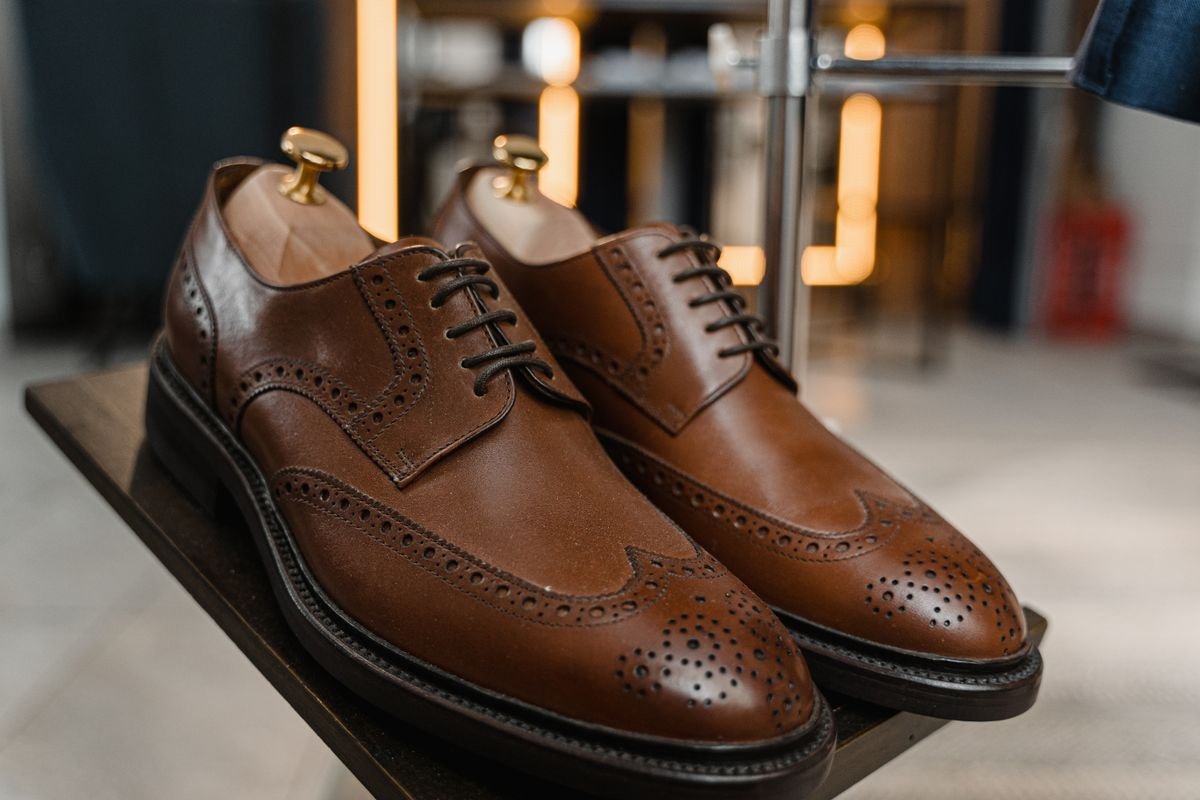
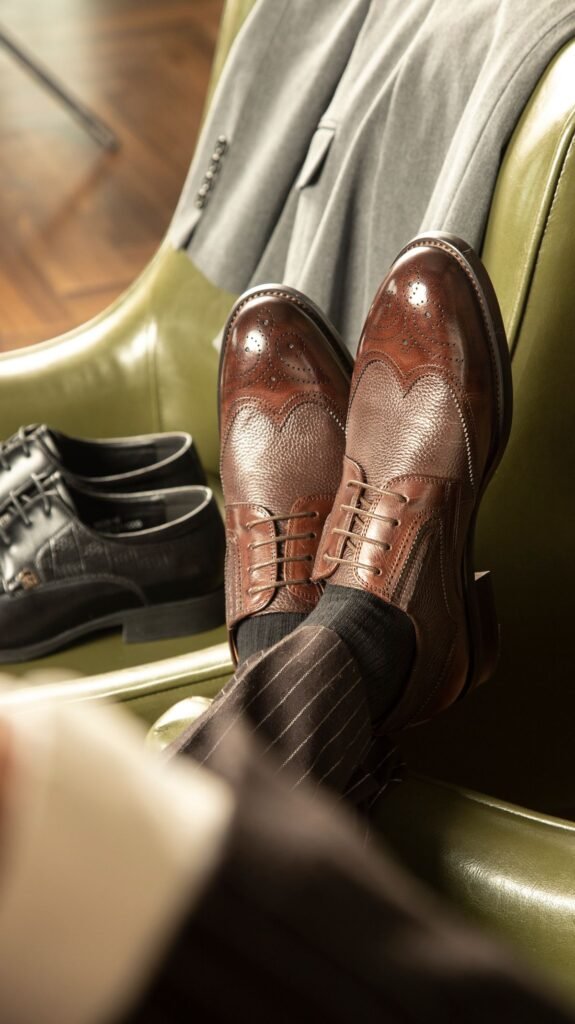
Shoes deserve real money in your budget. A navy suit looks ten times better with well-kept leather shoes than with scuffed ones. See our best dress shoes for suits guide and our how to match suit and tie colors guide.
What is the most versatile of all mens classic suits?
A solid navy, single-breasted, two-button suit in mid-weight wool is the most versatile of all mens classic suits. It works for interviews, offices, weddings, and smart casual dinners, pairing with white, blue, and patterned shirts and brown or black shoes. Make it your one suit, tailored properly.
Should my first suit be navy or charcoal?
Buy navy first, then charcoal. Navy covers everything charcoal does while also working in smart casual settings where charcoal feels too serious. Charcoal is your second purchase for funerals and the most formal business occasions.
How many classic suits for men does a wardrobe need?
Three classic suits for men cover almost everything: navy, charcoal, and a mid-grey or subtle pinstripe. With five to seven dress shirts and a handful of ties, those three suits dress you for a full working month. Add a fourth only once the core three are in place.
Single-breasted or double-breasted for a classic look?
Start with single-breasted. It is the most versatile, flattering-on-everyone cut and the easiest to tailor. Double-breasted suits are absolutely classic, but they always look dressed up and suit fewer casual settings. Own your single-breasted navy and charcoal mens classic suits first.
How much should I spend on mens classic suits?
A $300 to $500 off-the-rack suit in Super 110s to 120s wool with $80 to $120 of tailoring will look better than a $1,200 suit worn unaltered. Put your money into fit and shoes, not brand names. GQ
The Bottom Line on Mens Classic Suits
Classic suits for men have not changed much in a century because they did not need to. Navy and charcoal, single-breasted, notch lapels, proper fit, good shoes.
Start with navy, add charcoal, and get everything tailored. The men who look best in mens classic suits are not the ones who spent the most. They are the ones who paid attention. Esquire
If this guide helped you, share it with a friend who is suit shopping.
About the author: Biker Jacket Hub Editorial Team. We are menswear writers who test every tip we publish, from classic suits to leather jackets.