My first proper job interview was going brilliantly until I saw the photo my mate snapped of me leaving the building. There they were: my dad’s old square-toed loafers, scuffed at the toe and clearly a size too big. I never got a second interview.
That day I learned that formal dress shoes for men are not a detail. They are the first thing people notice and the last thing they forget.
This guide is an occasions map: which shoe belongs where, which colour to pick, and how to pair them with your suit.
Formal Dress Shoes for Men: The Four Styles That Matter
There are four styles of formal dress shoes for men that cover every occasion. The oxford has closed lacing and is the most formal. The derby has open lacing and is more relaxed. The monk strap replaces laces with a buckle. The loafer slips on and sits at the relaxed end of formal.
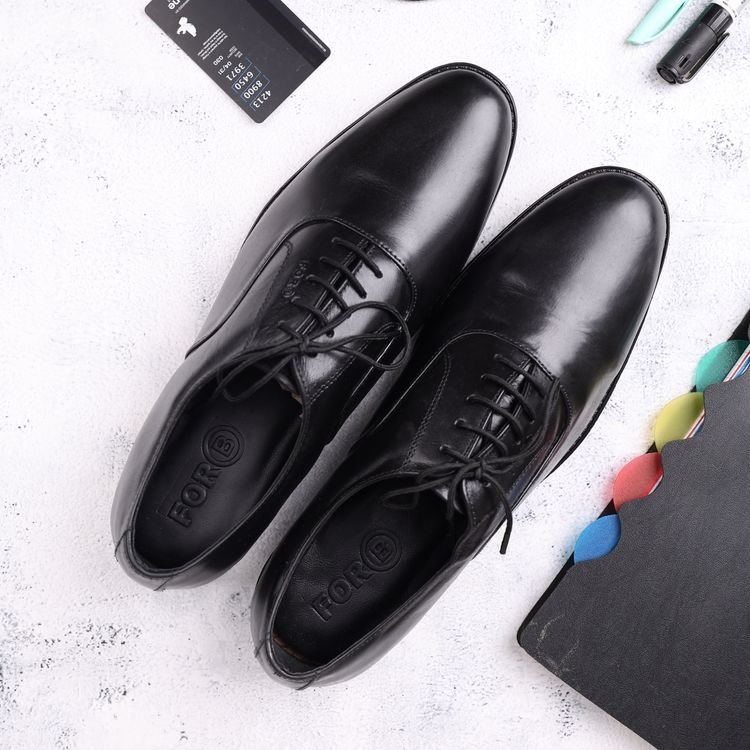
- Oxford. Closed lacing, flaps sewn under the vamp. The most formal shoe in menswear and the only correct black tie choice.
- Derby. Open lacing, slightly chunkier. Less formal, more versatile, kinder to wide feet.
- Monk strap. Buckles instead of laces. Single is understated, double makes a statement.
- Loafer. Slip-on and relaxed. Fine for business casual and summer weddings, never black tie.
Unpopular opinion: the black cap-toe oxford is the most boring shoe a man can own. Buy it anyway. It is the only shoe that works for a funeral, a job interview and a black tie dinner, and boring is exactly what those occasions call for. When you shop for formal dress shoes for men, learn shapes first: black is most formal, then brown, burgundy and tan step down.
Formal Dress Shoes for Men at Black Tie and Evening Events
The correct formal dress shoes for men at a black tie event are black patent leather oxfords, or a highly polished black wholecut oxford. Derbies and brogues do not meet the standard, because open lacing breaks the sleek line a tuxedo demands.
Formal dress shoes for men at evening events live or die on shine. Patent leather has been the black tie standard for over a century; a highly polished black wholecut oxford is the accepted alternative.
- Colour is non-negotiable: black only. Brown at black tie is a mistake, not a style choice.
- Wear black mid-calf dress socks. No skin should show when you sit down.
- Match your belt to your shoes, or skip it if your trousers have side adjusters.
- For white tie, the opera pump is traditional.
For the full evening dress code, Esquire covers black tie from the collar down.
Weddings: What the Groom and the Guest Should Wear
For weddings, formal dress shoes for men depend on your role and the time of day. Grooms should wear polished black or dark brown oxfords. Guests can follow the same rule: brown or tan for daytime weddings, black for evening and formal ceremonies.
- The groom. Black cap-toe oxford for evening, dark brown for daytime. Get the shine done that morning.
- Groomsmen. Match the groom but stay half a step simpler.
- The guest. Respect the dress code without competing for attention. Polished derbies or monk straps that match your suit are ideal.
- Destination wedding. A suede loafer or light brown derby suits beach venues.
If you only own one pair of formal dress shoes for men, make it a black oxford. Scuffed leather at a wedding reads as disrespect.
Job Interviews and Business Formal
For job interviews, formal dress shoes for men follow one safe rule: a black or dark brown cap-toe oxford in a high shine. It signals seriousness and attention to detail before you even say a word.
Fit matters as much as style in formal dress shoes for men. Wider feet should go for a derby in the same colours: the open lacing gives room and still looks formal. Avoid chunky-soled comfort brands, which read as casual however clean they are.
- Polish the night before. Polish needs time to set and buff.
- Black or charcoal suit means black shoes. Full stop. Dark brown is fine with navy and greys.
- Match your belt to your shoes. Interviewers notice.
- Break new shoes in for a week. Blisters show on your face.
For the rest of your interview outfit, see our men’s interview outfit guide.
Funerals and Solemn Occasions
At funerals and memorial services, formal dress shoes for men should be quiet and conservative: a matte black oxford or a plain black derby, well polished but never mirror-shiny. This is not the occasion for personality. Your shoes should disappear into the outfit.
When in doubt, wear black. Black shoes are the safe choice for funerals, interviews and evening suits; brown is for less solemn moments.
Comfort is the hidden requirement of formal dress shoes for men at funerals: you will be standing for hours. Wear a broken-in pair in matte leather, and keep the design plain: no broguing, no buckles, no contrast stitching.
Proms, Cocktail Parties and Big Nights Out
Proms and cocktail parties give formal dress shoes for men the most room to breathe. Match your outfit’s formality first: a tuxedo means patent oxfords, while a coloured suit means you can try a double monk strap or a polished brogue in oxblood.
- Tuxedo. Black patent oxford, black tux. Timeless.
- Coloured suit. Burgundy or navy pairs beautifully with a double monk strap in oxblood or dark brown.
- Velvet jacket. Keep the shoes black and simple. Let the jacket be the statement.
- Cocktail party. A wholecut oxford or Chelsea boot in black or dark brown works with a dark suit, no tie.
For formal dress shoes for men with flair, GQ covers statement footwear that does not look try-hard. One rule: one statement piece per outfit.
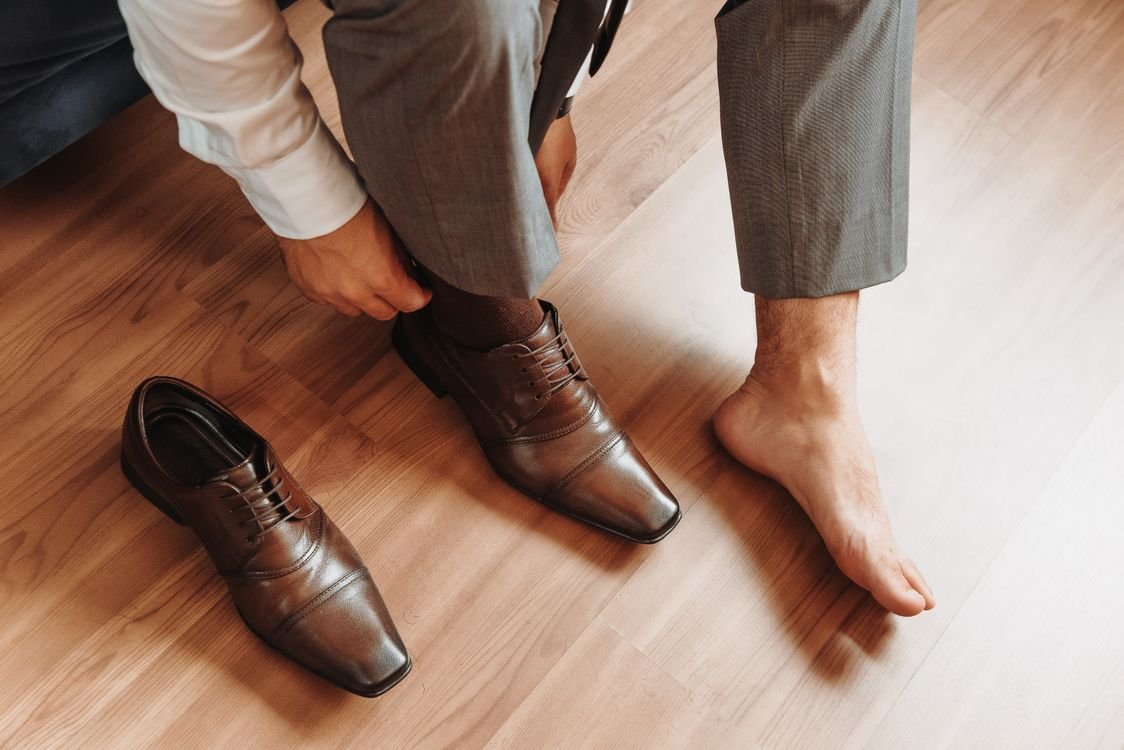
The Occasion Cheat Sheet
Here is the full map of formal dress shoes for men by occasion.
| Occasion | Best shoe | Best colour | Never wear |
|---|---|---|---|
| Black tie / gala | Patent leather oxford | Black | Derby, brogue, brown |
| Formal evening wedding | Cap-toe oxford | Black | Tan, suede, loafers |
| Daytime wedding | Oxford or derby | Brown, tan, oxblood | Patent, trainers |
| Wedding guest | Derby or monk strap | Match your suit | Trainers, scuffed leather |
| Job interview | Cap-toe oxford or derby | Black, dark brown | Loafers, brogues |
| Business formal | Oxford or derby | Black, brown, oxblood | Suede, light tan |
| Funeral | Plain oxford or derby | Matte black | Patent, brown, broguing |
| Prom (tuxedo) | Patent oxford | Black | Brown shoes, boots |
| Prom (suit) | Monk strap or brogue | Oxblood, brown, black | Trainers |
How to Pair Formal Dress Shoes With Your Suit in 7 Steps
Follow these seven steps and your formal dress shoes for men will never fight your suit again.
- Start with the suit. Its colour and formality decide everything.
- Black or charcoal suit means black shoes. Dark brown with a black suit is the most common pairing mistake men make.
- Navy takes black or dark brown. Black keeps it formal, brown warms it up for daytime.
- Light grey and tan need brown. Black against a light suit looks harsh; cognac or tan keeps it unified.
- Match your belt to your shoes. Same colour, similar finish.
- Match socks to trousers, not shoes.
- Polish the night before and check in daylight. Indoor light hides scuffs; shoe trees and rotation keep leather in shape.
For deeper shoe care tutorials, Real Men Real Style goes well beyond a quick polish.
Frequently Asked Questions
Can I wear brown shoes with a black suit?
The traditional rule says no, and for formal occasions it still stands. The old guidance on formal dress shoes for men is clear: brown shoes with a black suit read as a mistake at interviews and funerals. Very dark brown can pass in creative settings, but black is always safest.
Are loafers formal enough for a wedding?
It depends. For a daytime or beach wedding, a polished leather loafer with a light suit is perfectly acceptable. For a formal evening wedding, loafers are too relaxed. When the invitation says formal or black tie, wear an oxford instead.
What is the difference between an oxford and a derby?
The difference is the lacing. An oxford has closed lacing, flaps sewn under the vamp for a sleek look. A derby has open lacing, flaps sewn on top, with more room for wider feet. For formal dress shoes for men, the oxford is always more formal.
How shiny should my dress shoes be?
Match the shine to the occasion. Black tie wants a mirror shine, which is why patent is the standard. Interviews and formal weddings want high gloss. Funerals and conservative offices want a softer satin finish. As a rule, the more solemn the event, the quieter the shine.
How many pairs of dress shoes does a man need?
Three pairs of formal dress shoes for men cover everything. A black cap-toe oxford for funerals, interviews and black tie. A dark brown derby for the office and daytime weddings. A black patent oxford for tuxedo events. Everything beyond that is personality, not necessity.
Conclusion
Getting formal dress shoes for men right is mostly about occasion, not fashion. Read the invitation, match the formality, pick the right colour, and polish the night before.
Remember the hierarchy: oxford for the most formal moments, derby for daily polish, monk strap for character, loafer when the dress code relaxes. Black for solemn and serious, brown and oxblood for daytime.
Formal dress shoes for men are worth every penny when you buy quality. Start with the black cap-toe oxford and build from there.
Ready to finish the outfit? Read our complete guide to men’s formal outfits and how to choose the right suit colour.
About the author: The Biker Jacket Hub Editorial Team lives and breathes men’s style. We research every guide thoroughly, so you get practical advice that works in real life.